
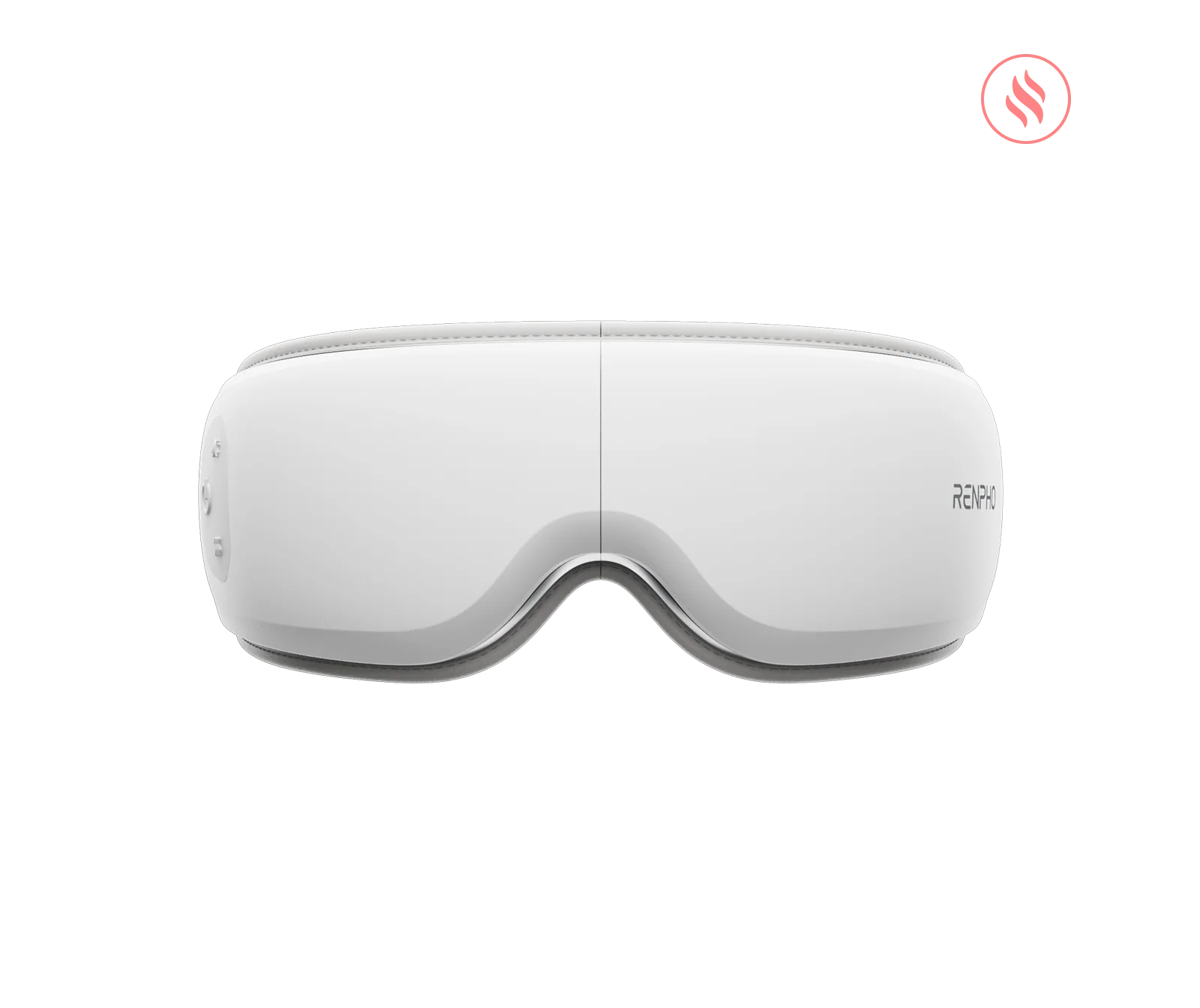
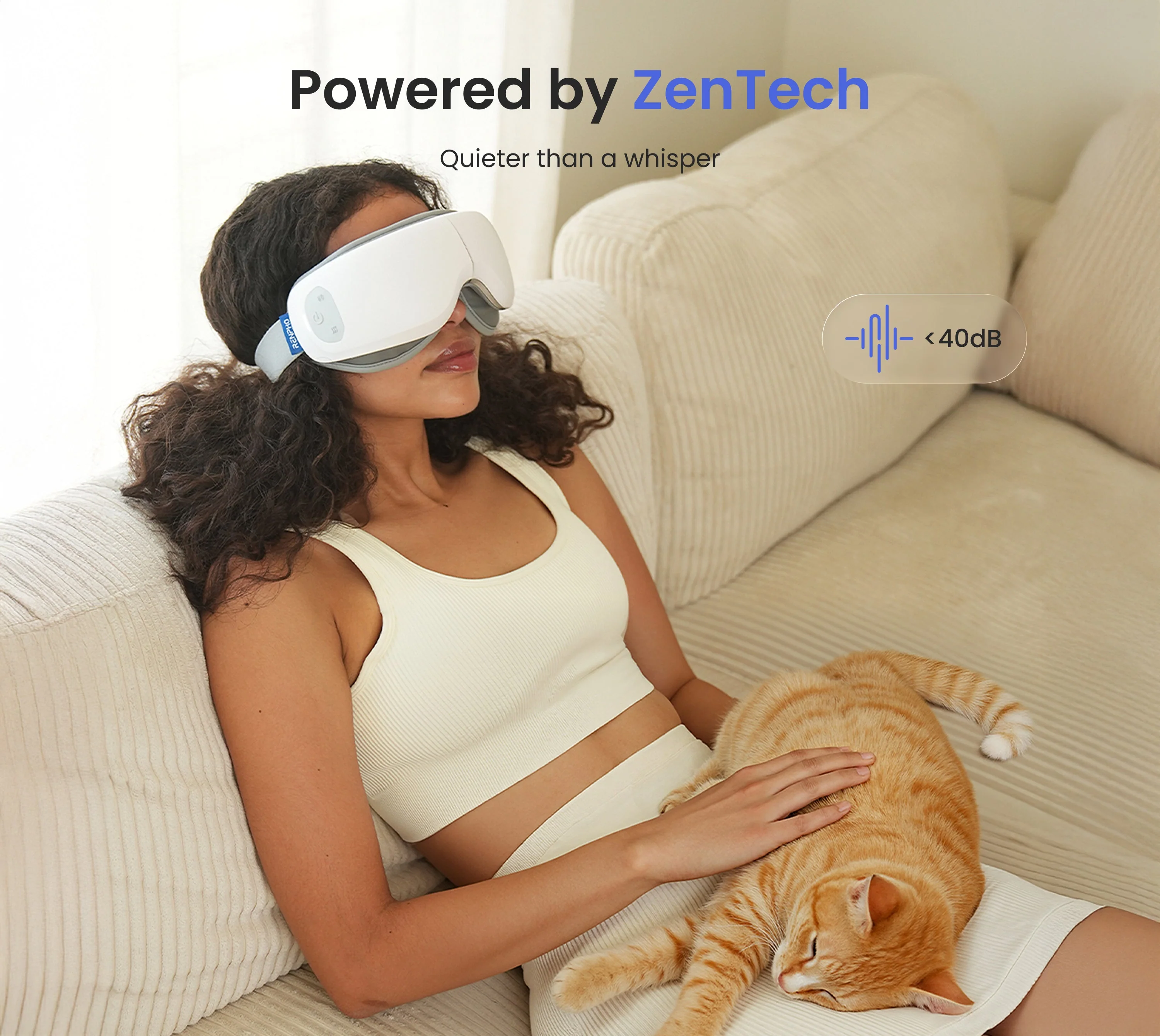
The Doctors' Verdict: Eight out of twelve board-certified specialists identified evening light management and screen banishment as the highest-leverage sleep intervention. Using a tactile, heated blackout eye massager like the Renpho Eyeris Zen offers an easy sensory replacement for the smartphone wind-down cycle.
The question was simple. I asked it to twelve board-certified sleep specialists over the course of three months, in person, by phone, and once, memorably, on a Zoom call at 11 p.m. their time.
Here it is: If you could recommend only one habit to a generally healthy adult who wants to sleep better, what would it be?
I expected the answers to converge on something. They did, just not what I expected. For the record, they didn't converge on melatonin, magnesium, a particular mattress, a meditation app, mouth tape, a weighted blanket, a cold plunge, or any supplement I'd ever heard of. What they converged on was, in retrospect, obvious.
The Neurologists (6)
Five of the six neurologists I spoke with said, within thirty seconds of the question, the same word: consistency. The sixth said "a fixed wake time" and then elaborated: "If you do nothing else, pick a wake time and stick to it — even on weekends, even after a bad night. Your wake time is the anchor. Everything else hangs off it."
One of them, a sleep neurologist at a major academic hospital who asked to remain anonymous, put it more bluntly. "The most important thing I tell patients is: stop shifting your wake time. The body wants a phase. Give it a phase. Most of what we call insomnia is just a body that's never been told when morning is."
The Pediatricians (3)
The pediatric sleep specialists said something slightly different. They emphasized the bedroom — not the bed, the room. "I tell parents: the bedroom is for sleeping. That's it. Not screens, not scrolling, not laptops, not TV. The bedroom is for sleeping. When you use it for other things, you train your brain to be awake in the place it's supposed to be asleep."
All three of them said it in almost the exact same words. Apparently this is the most repeated piece of advice in pediatric sleep medicine.
The Surprise
Of the twelve answers I collected, eight touched on some version of light. Not supplements. Not mattresses. Not even temperature. Light. Three of the neurologists specifically mentioned morning light — the kind you get from a sunrise alarm, a window, or a five-minute walk. The psychiatrists talked about dim light in the evening. The dentist, to my great surprise, specifically mentioned blue light: "I tell my patients the same thing my optometrist tells me: no phones in bed. None. Light is the problem, but it's the easiest habit to fix."
"Eight out of twelve sleep specialists, asked the same question, said the same thing: light. Not melatonin. Not meditation. Light."
What to Do With This
I'm not a sleep doctor. I'm a writer who has spent the past year testing sleep and wellness devices and has developed an opinion about it. The opinion is: the boring things work. A consistent wake time. A phone-free bedroom. Morning light. The expensive, app-connected, vibrating, temperature-controlled bed you saw advertised last week won't move the needle as much as these three things, which cost nothing.
That said, if you want a reliable tool to unwind at night and eliminate screen-induced eye fatigue before your head hits the pillow, the Renpho Eyeris Zen Eye Massager is what our editorial team uses. It isn't magic—it simply combines gentle compression, complete darkness, and soothing 40°C–42°C heat to relieve the ocular strain that keeps modern minds racing.
Methodology: Twelve licensed physicians, all with active sleep-medicine practices, interviewed by phone or video between September 2024 and December 2024. Not a scientific sample. Quoted with permission unless otherwise noted.